 Jeane
Jeane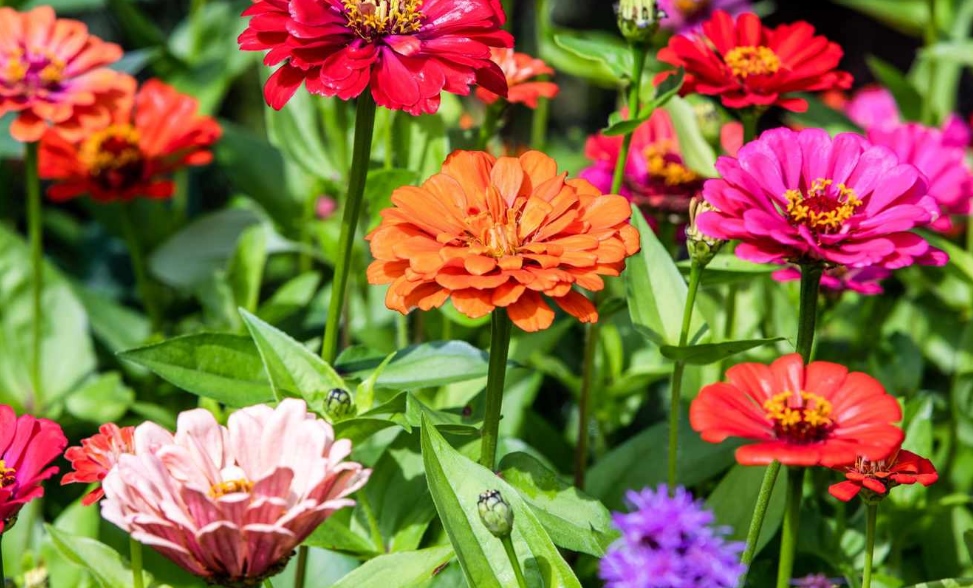
Annual plants offer a fleeting but spectacular burst of color and life to any garden. Unlike perennials that return year after year, annuals complete their entire life cycle – from seed to flower to seed – within a single growing season. This characteristic allows them to be incredibly versatile, providing a dynamic and ever-changing landscape throughout the warmer months. Whether you’re a seasoned gardener or just starting out, incorporating annuals is a fantastic way to introduce vibrant hues, interesting textures, and continuous blooms to your flowerbeds, containers, and hanging baskets.
The key to success with annuals lies in understanding their needs and providing the right conditions for them to flourish. Because of their rapid growth and prolific flowering, they are often more demanding in terms of nutrients and water. However, with a little attention and a few key practices, you can ensure that your chosen annuals deliver their full visual potential, transforming your outdoor spaces into breathtaking displays of nature’s artistry.

One of the most crucial aspects of growing successful annuals is selecting the right location. Most annual flowering plants thrive in full sun, meaning they need at least six to eight hours of direct sunlight per day. Observe your garden throughout the day to identify areas that receive ample sunlight. However, some annuals, like impatiens or begonias, prefer partial shade, especially in hotter climates, to prevent scorching. Consider the mature size of the plants and group them accordingly to avoid overcrowding and ensure each plant has access to necessary resources.
Proper planting and soil preparation are also paramount. When planting young annuals, whether from seed or nursery transplants, ensure the soil is well-draining. Amending your soil with compost or other organic matter will improve its fertility and structure, providing a rich environment for your plants to establish strong roots. For container gardening, use a high-quality potting mix. When planting seedlings, maintain adequate spacing between plants as recommended on their tags to allow for air circulation and growth, preventing diseases and competition.
Consistent watering and feeding are vital for sustained annual blooms. Annuals are thirsty plants, especially during hot weather and when in full bloom. Water them deeply at the base of the plant, rather than from overhead, to minimize disease risk and ensure water reaches the root zone. The frequency of watering will depend on your climate, soil type, and the specific needs of your plants, but aim to keep the soil consistently moist, not waterlogged. Regular feeding with a balanced liquid fertilizer every two to four weeks will replenish the nutrients that these heavy feeders consume, encouraging continuous flowering and vigorous growth.
Deadheading, the practice of removing spent flowers, is another simple yet highly effective technique for prolonging the bloom period of many annuals. As flowers fade, they begin to produce seeds, which diverts the plant’s energy away from producing new blooms. By pinching or snipping off these faded flowers, you signal to the plant that its reproductive work is done, encouraging it to put that energy back into creating more blossoms. This simple act can significantly extend the vibrant display your annuals provide throughout the season.
By following these fundamental tips, you can unlock the full potential of your annual plants and enjoy a season of continuous, spectacular color. From choosing the sunniest spots to a simple routine of watering, feeding, and deadheading, each step contributes to a garden that bursts with life and beauty. Embrace the transient nature of annuals as an opportunity to experiment with new varieties and color combinations each year, making your garden a dynamic and ever-evolving masterpiece.