 Jeane
JeaneWhen it comes to houseplants, few are as easy to care for as the snake plant. But even the most low-maintenance plants need some TLC from time to time, and one of the most important steps in snake plant care is repotting. In this post, we’ll cover everything you need to know about repotting snake plants, from why and when to repot to step-by-step instructions for getting the job done.
Why repot a snake plant?
There are a few reasons you might need to repot your snake plant. First and foremost, snake plants can outgrow their pots, causing their roots to become overcrowded and leading to a decline in growth and health. Repotting allows the roots to spread out and absorb nutrients more effectively, leading to a healthier and happier plant.

Additionally, repotting can be an opportunity to refresh the soil and remove any pests or diseased roots that may be present. And if you’re looking to propagate your snake plant, dividing it during the repotting process is a great way to do so!
When to repot a snake plant
So, how do you know when it’s time to repot your snake plant? As a general rule, you should plan on repotting every 2-3 years. Signs that it’s time to repot include roots that have started to grow out of the drainage holes, soil that dries out quickly or stays soggy, or a plant that has stopped growing despite receiving adequate light and water.
Spring and summer are the best times to repot, as the plant is actively growing and will have an easier time recovering from the process.
How to repot a snake plant
1. Choose a pot: When selecting a new pot for your snake plant, choose one that is only slightly larger than the current pot. A pot that is too big can lead to soil that stays too wet and increases the risk of root rot.
2. Remove the plant from its old container: Gently loosen the soil around the plant and lift it out of its current pot. If the plant is particularly stubborn, you may need to gently tap the sides of the pot or use a knife to loosen the roots.
3. Inspect the roots: Once the plant is out of its container, inspect the roots for any signs of disease or pest infestation. Trim away any dead or diseased roots with a clean pair of scissors or pruning shears.
4. Prepare the new pot: Add a layer of fresh potting soil to the bottom of the new pot, enough to bring the top of the root ball to about 1 inch below the rim of the pot.
5. Repot the snake plant: Place the plant in the new pot and fill in around the roots with fresh potting soil, gently pressing down to remove any air pockets.
6. Water and care for the newly repotted plant: After repotting your snake plant, give it a good drink of water and place it in a bright, but indirect, light. Avoid fertilizing the plant for the first few weeks to allow it to acclimate to its new environment.
In summary, repotting your snake plant is an important step in keeping it healthy and thriving. By following these simple steps, you can ensure that your snake plant continues to bring greenery and beauty to your home for years to come!
If you are searching about Removal Of The Plant From Its Old Container | Repotting snake plant you’ve visit to the right web. We have 6 Pictures about Removal Of The Plant From Its Old Container | Repotting snake plant like Repotting Snake Plants: When And How To Repot Snake Plant | Snake plant, Removal Of The Plant From Its Old Container | Repotting snake plant and also Why Are Snake Plant Leaves Falling Over? | With 4 Important Solutions. Here it is:
Removal Of The Plant From Its Old Container | Repotting Snake Plant

www.pinterest.com
repotting repot urbanorganicyield
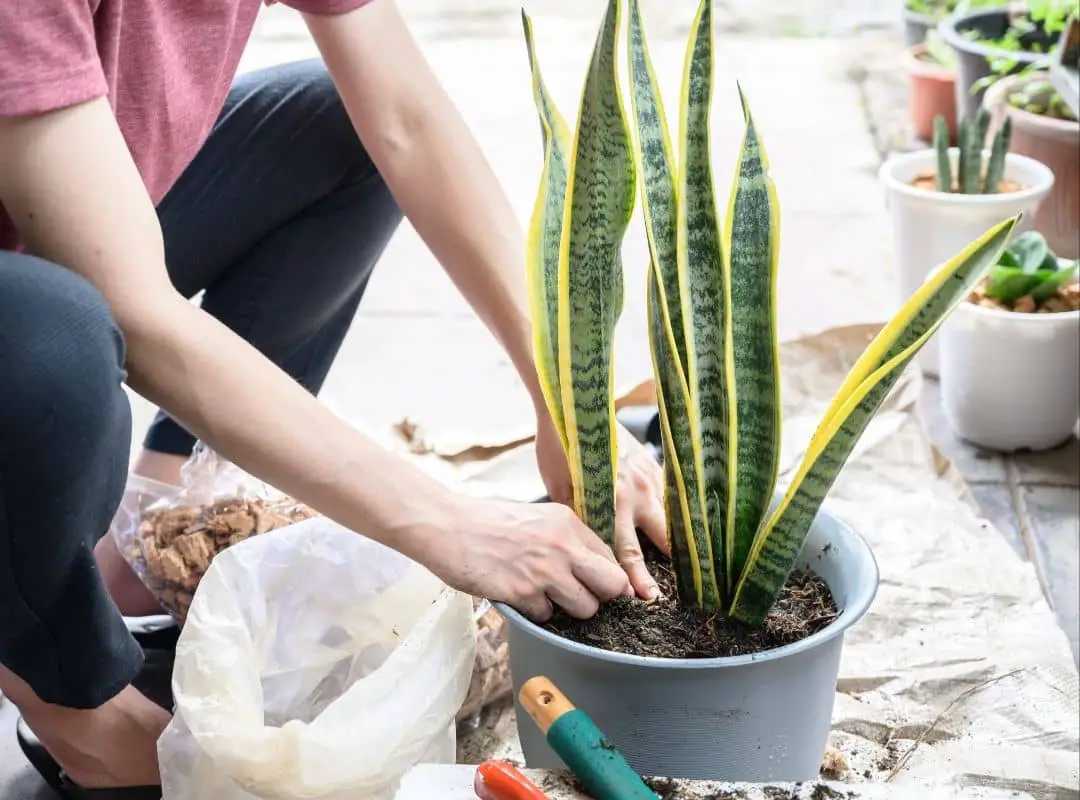
Why Are Snake Plant Leaves Falling Over? | With 4 Important Solutions
succulentthrive.com
repotting prevention
Sansevieria Cylindrical Repotting | Snake Plant, Sansevieria

www.pinterest.com
repotting snake cylindrical sansevieria
Repotting A Snake Plant (Mother In Law's Tongue)

snakeplantcare.com
snake plant repotting tongue law mother plants
Repotting Snake Plants: When And How To Repot Snake Plant | Snake Plant

www.pinterest.com
snake repotting plant plants repot when urbanorganicyield choose board
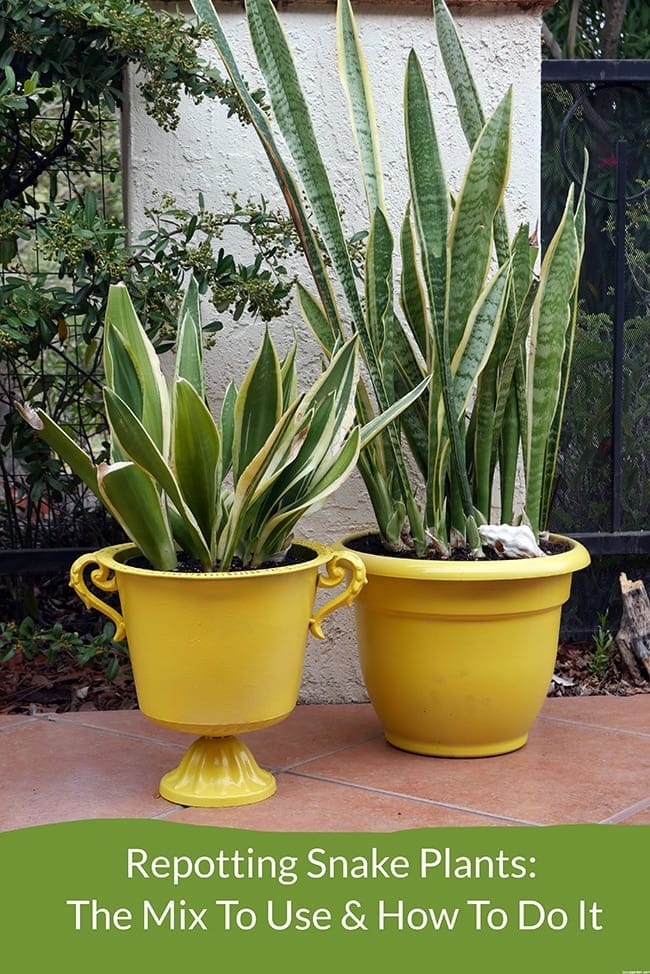
Repotting Snake Plants: The Mix To Use & How To Do It – Blog – Ecogree
blog.ecogreenlawncare.com
snake plants repotting plant mix use repot garden pot mother indoor yellow law joyusgarden potted sansevieria container tongue gardening when
Repotting prevention. Snake repotting plant plants repot when urbanorganicyield choose board. Why are snake plant leaves falling over?