 Jeane
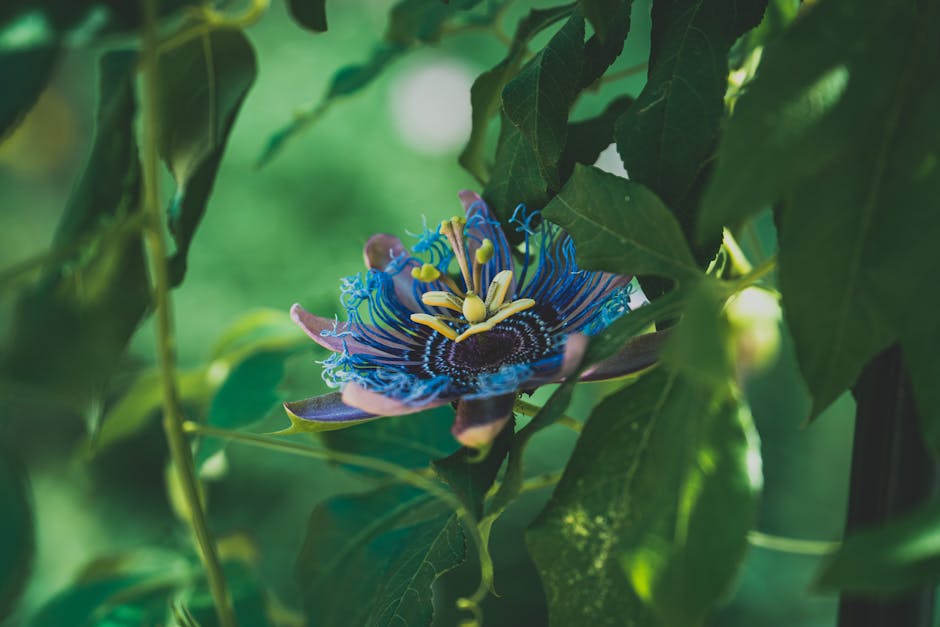
The Amorphophallus titanum, more commonly known as the corpse flower, is a botanical marvel that commands both awe and, for some, a degree of revulsion. Hailing from the rainforests of Sumatra, Indonesia, this plant is renowned for its colossal size and its infrequent, notoriously pungent bloom. Its unique life cycle and striking appearance have made it a subject of intense fascination for botanists and the public alike, often drawing large crowds to witness its rare and ephemeral exhibition.
What sets the corpse flower apart is not just its imposing stature, but its extraordinary method of reproduction. It achieves this by emitting a powerful scent, which at its peak, closely resembles that of decaying flesh. This distinctive odor is designed to attract carrion-feeding insects, such as flies and beetles, which are essential for its pollination. The name itself, a direct translation of its scientific genus, Amorphophallus (meaning “giant misshapen phallus”), hints at its unusual form before the flower even makes its grand entrance.

The corpse flower’s life cycle is an exercise in patience. It spends many years, sometimes up to a decade, growing and storing energy underground in a massive corm. This subterranean organ is the plant’s life support, fueling the eventual production of its massive inflorescence. When conditions are right, the plant sends up a towering stalk, culminating in a spectacular display that can reach heights of over six feet. This dramatic emergence is a rare event, as widespread cultivation and flowering are still uncommon.
The structure of the corpse flower’s bloom is as complex as its life cycle. It consists of a spathe, a large, petal-like organ that enfolds the spadix, a fleshy spike. The spathe, often a deep maroon or greenish-red on the inside, serves to funnel insects towards the spadix. The spadix, which contains the male and female flowers, is responsible for generating the characteristic odor and heat. This thermogenesis helps to disperse the potent scent over a wider area, further attracting pollinators.
The “corpse” aspect of the corpse flower’s fragrance is most potent during the limited period of its asexually reproductive phase, typically lasting only 24 to 48 hours. During this time, the plant releases volatile organic compounds that mimic the scent of rotting meat, a powerful lure for its intended insect pollinators. As the bloom matures and transitions to its sexually reproductive phase, the odor typically dissipates, leaving behind the development of seeds or the potential for another underground growth cycle.
The rarity of witnessing a corpse flower bloom makes each flowering event a significant occasion. Botanical gardens and research institutions around the world meticulously monitor their specimens, alerting the public when a bloom is imminent. These events often become local curiosities, with dedicated viewing areas set up for visitors to experience the spectacle and the scent first-hand, albeit often through filtered air or at a respectful distance. The thrill of witnessing nature’s most unusual and pungent display draws enthusiasts and the simply curious alike.
Ultimately, the corpse flower, with its deceptive beauty and pungent perfume, offers a compelling glimpse into the diverse and often surprising strategies employed by the plant kingdom. It is a testament to the intricate relationships that have evolved in nature, where even an aroma that repels humans can be a vital component for survival and propagation. Its infrequent blooms serve as a powerful reminder of the botanical wonders that lie hidden, waiting for their moment to astound.